.png)
I-YES Camp 2025: Indigenous Youth Uniting for Culture, Rights, and the Future

Updated: Mar 10

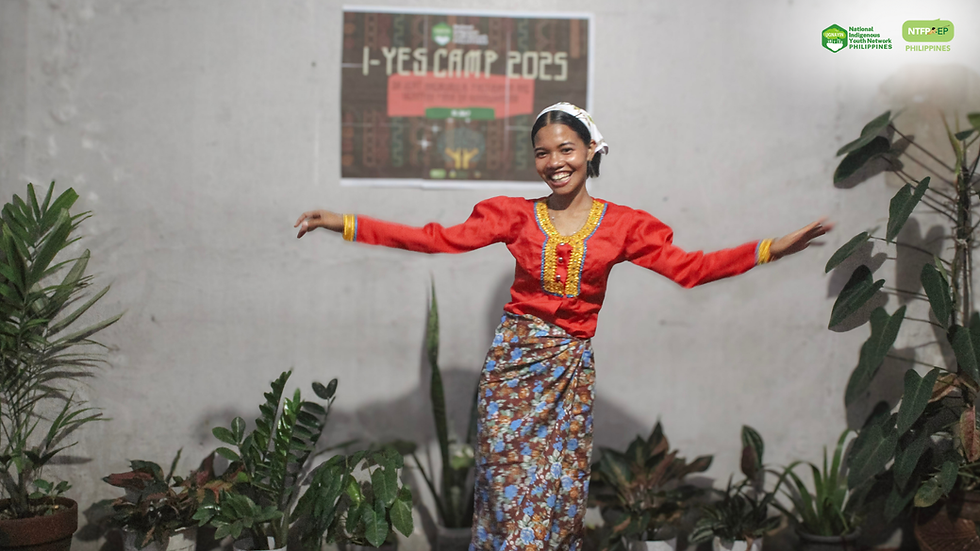
From July 9–11, 2025, Indigenous youth leaders from across the Philippines gathered in Quezon City for the Indigenous Youth for Environmental Sustainability (I-YES) Camp 2025, carrying the theme “Sa Ugat Nagmumula: Pagtibayin ang Ugnayan para sa Kinabukasan.”
The camp, organized by NTFP-EP Philippines in partnership with the Ugnayin National Indigenous Youth Network (UGNAYIN PH), supported by the Green Livelihoods Alliance (GLA) - Forests for a Just Future Programme, Forest Foundation Philippines (FFP) and other partners, brought together 25 Indigenous youth from Sierra Madre, Occidental Mindoro, Palawan, Negros Occidental, and Mindanao, representing 12 youth organizations committed to cultural preservation, environmental stewardship, and community empowerment.
Why the Camp Mattered
For Indigenous youth, gatherings like I-YES Camp are more than workshops or meetings, they are spaces to strengthen identity, reclaim stories, and ensure that the threads of tradition remain unbroken. In the face of climate change, land grabbing, and cultural erosion, these youth are stepping into their roles as inheritors and guardians of ancestral domains. They are both the next generation of leaders, and leaders now actively shaping decisions on land use, forest protection, and cultural governance.
Through sessions on digital security, mental wellness, and project management, participants gained tools to protect their communities, manage initiatives, and sustain advocacy work.
The mental health workshop, led by the KULIT Foundation, was a first-of-its-kind experience for many participants. Through meditation, active listening, journaling, and creative “Tree of Hope” group art, the youth explored their grief, hopes, and resilience. It was a rare space where they could speak openly about the emotional weight of leadership, the toll of defending their lands, and the need to care for their inner worlds. The session affirmed that mental well-being is not separate from advocacy. It is essential for sustaining the fight for culture and the environment.
The camp’s cultural night, landscape updates, and heritage museum visits grounded these lessons in shared history and lived experience. On the final day, the youth explored the Tandang Sora Women’s Museum, the Bahay Modernismo, and the Manuel L. Quezon Heritage House, encounters that deepened their appreciation for leadership, resistance, and the legacies that shaped the nation. These visits reminded them that their advocacy for forests and ancestral lands is part of a larger story of protecting heritage and building a just future.
Youth Voices, Youth Power
The camp also served as a safe space to openly share struggles and victories. Many shared facing threats and challenges—like resource scarcity and cultural loss yet each one carried stories of resilience, adaptation, and hope.
“Mahalaga ang I-YES Camp 2025 dahil dito naipapakita ng mga kabataang katutubo ang kanilang pinagmulan at mga nakamit nito, na nagsisilbing inspirasyon sa iba,” said Shalyn Dullas of Sierra Madre.
“Dito nahubog ang pag-intindi ko sa kahalagahan ng mga katutubo sa komunidad… We should continue to fight for our rights, preserve our culture and traditions, and protect our environment,” shared Shayne Micah Abis from Palawan.
“Nagbigay ito ng mas malawak na koneksyon at adbokasiya para sa akin at sa aming samahan… mas lalago kami,” reflected Maria Isabel Mamildang of Mindoro.
Leadership for the Land and the People
One of the camp’s key milestones was the election of a new Board of Trustees for UGNAYIN PH, ensuring that youth voices remain central in decision-making. The process affirmed the principles of self-governance, accountability, and representation. These are values vital in forest governance and cultural leadership.
By the end of the three days, participants had not only honed skills but also deepened their commitment to act as cultural bearers, environmental defenders, and bridge-builders between generations.
A Growing Movement
As participants returned to their communities, they carried with them more than just knowledge, they carried the weight and joy of knowing they are part of a growing, interconnected movement. Each story shared, each plan made, and each commitment voiced at the camp is a step toward a future where Indigenous culture thrives and forests remain alive for generations to come.
The I-YES Camp affirms what has always been true: when Indigenous youth rise together, they keep both the roots and the canopy strong—holding the memory of the land and the vision for its future.


Comments